Blog # 7
Reflection Week 7
Honestly, I agree with this argument. I’ve heard people challenge it, but the decline of literacy seems very real, especially among younger generations. Recently, the idea of “the decline of literacy” became a popular topic on TikTok after a teacher posted a video complaining that many students in their classes struggled to read. Chapter 1 of The Dumbest Generation makes a similar claim that people, particularly our generation, are not picking up books and reading as much as previous generations did. From my own experience as a college student who recently graduated from high school, I have seen this firsthand. Sadly, something as simple as popcorn reading in class could probably take out half of this generation because many students struggle with reading out loud or following along with longer texts.
I also think the digital social sphere is a major distraction for many people. Giving children phones at an early age can pull their attention away from learning and reading. Social media is a huge part of this problem. While there are age restrictions on many platforms, younger kids still find ways to access them, even when the content is not appropriate for them. Sometimes people forget that the internet was never really designed as a space for children. With everything that exists online, it can expose young people to things they are not ready for, and it can easily distract them from developing important skills like reading and writing.
At the same time, I don’t think young people themselves are the problem. The issue is often the type of content they consume. If what they are reading online does not supplement their learning or challenge their thinking, it can limit their growth. Many online spaces also become echo chambers where people only encounter ideas that reinforce what they already believe rather than the truth. Because of this, we need to be more aware of where we get our information. The media we consume shapes our thinking, decisions, and perspectives. Sometimes the best solution is simple: pick up a book, write a letter, or slow down and engage with ideas more deeply.
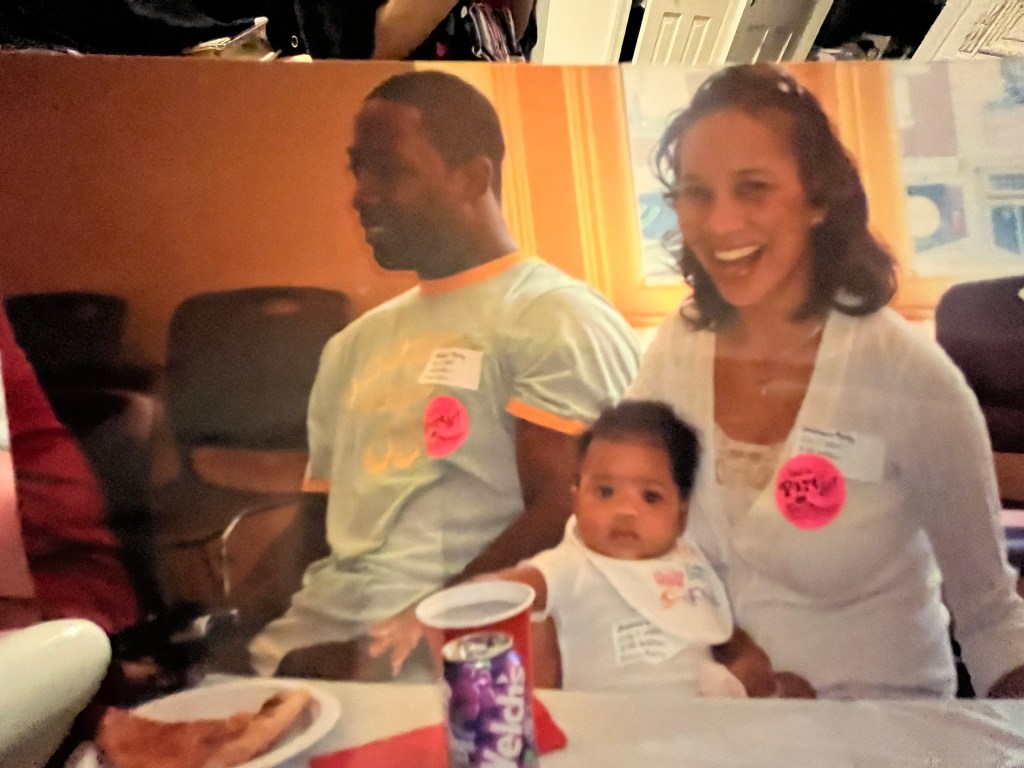
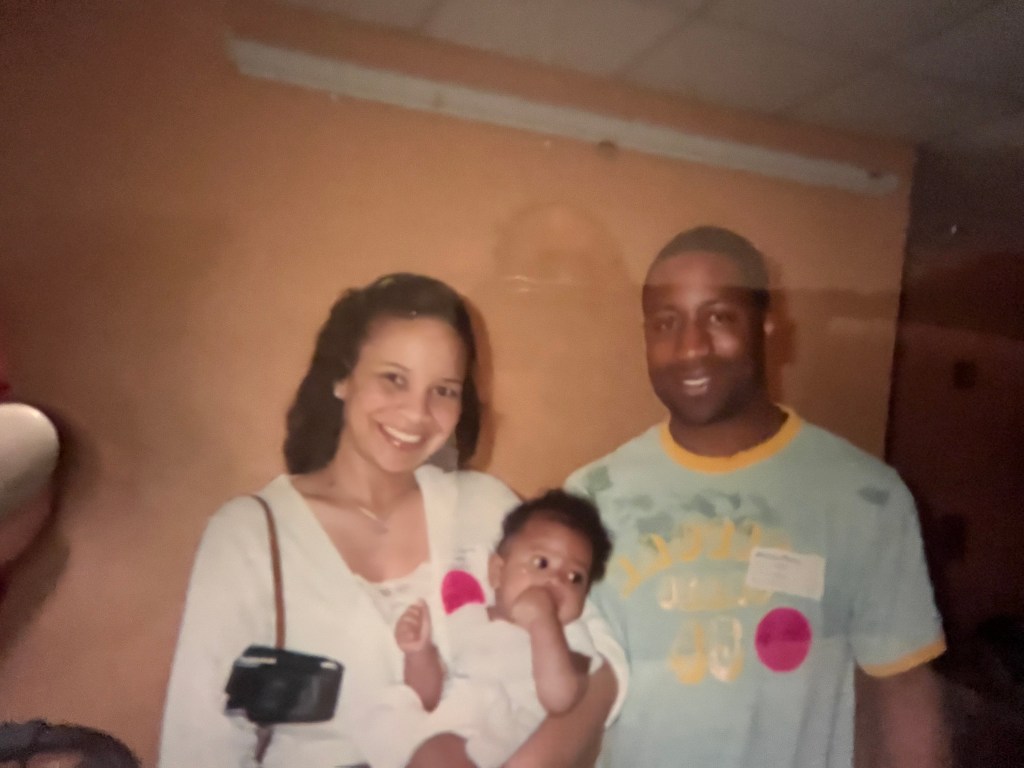
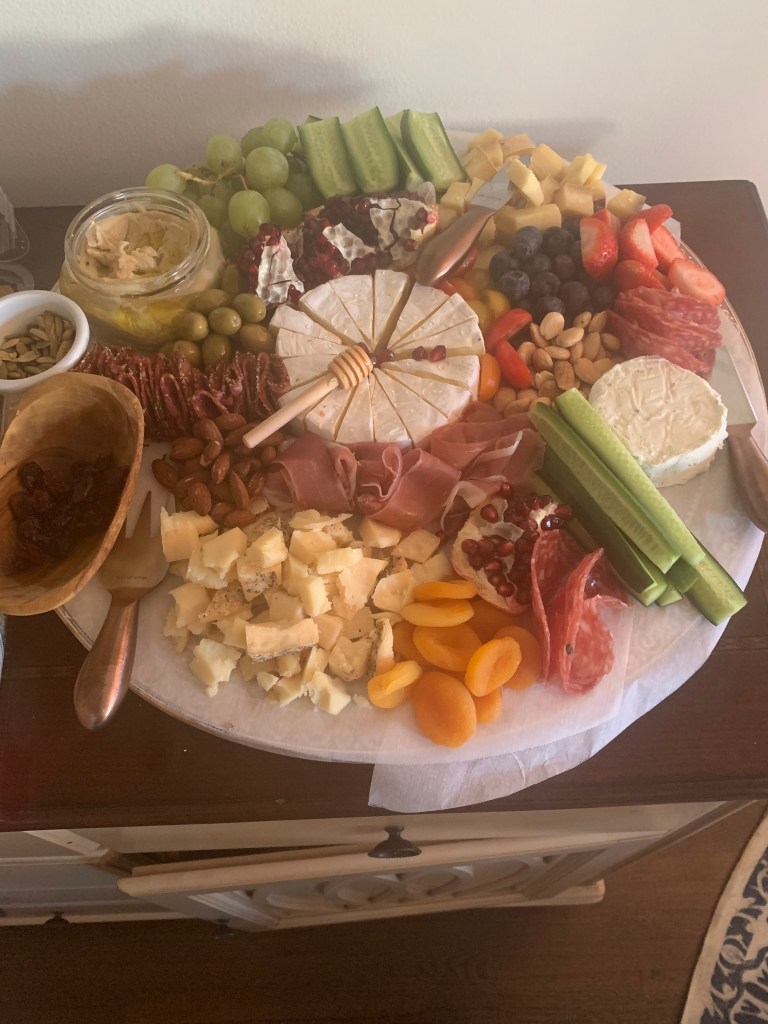
NOTE: Here are my Gifs they have nothing to do with the Blog just stuff I made from stuff I like also these are pictures because the video gifs werent working

Hello Earthlings! Washington D.C
A Reflection on The First Internet. Why People Do It, Why Others Don’t, and What I have learned So far…
Blog #4
After watching the documentary “Browser Wars” on YouTube, I found that the early stages of the internet and technological development were highly monopolized. I imagine the early internet is like the food chain in a natural ecosystem. The way it was described in the video made me think of the dinosaur age. Just as the T. rex was at the top of the food chain, companies like Microsoft and New.net were the apex predators of the internet. But as time passed and evolution occurred, these dominant technology companies began to fade, much like species in the natural world. Newer companies like Google eventually overtook the once-monopolized giants.
I also found it interesting how cutthroat the early stages of the internet were. From my perspective as a young person who simply uses the internet without thinking much about its history, it never seemed that intense. I used to think of Bill Gates as just a random billionaire, and screens have been placed in front of me since I was very young. I never really considered how the major companies we use every day actually came to be. It must have been a completely different and fascinating experience to witness the internet boom as an adult — or even as a teenager — during that era of technological growth.
I also think many of the aesthetics associated with the 2000s overlook the intensity of the internet boom and how quickly usage expanded, as well as how dark and unsettling the internet can be. From the documentary to now, the internet has clearly evolved, but reflecting on this class, I don’t think the internet was ever truly a place for children. I also don’t believe I will allow my future children to be on it at a young age.
-

vLOG #2
Reflecting on Chapter Five of Mark Briggs’s book, I find myself thinking first about how far we’ve come. The chapter feels almost antiquated at times, focusing on the early days of blogging primarily within sports journalism and treating blogging itself as a “new” and emerging trend or fad. What the text doesn’t fully capture, though, is just how much blogging has evolved since then and how content creation has surged.
Today, blogging is no longer limited to professionals or any “niche”. In fact, documentation is actively encouraged, almost expected, on a daily basis, even when that sounds tiring. That idea alone can feel exhausting. In 2026, as a student at Howard University (specifically a baby bison) trying to navigate what blogging even looks like now, I’m realizing that blogging has merged into something much bigger; it’s a new facet of content creation!
The textbook offers a fundamental, simple definition of blogging, and that clarity is helpful. But as digital media has expanded and transformed, blogging has taken on many new forms. It’s no longer just written posts on a personal website or commentary from sports insiders. Blogging now exists everywhere on social media, through video diaries, photo essays, podcasts, and long-form storytelling. It’s everything you can think of.
And that’s exactly why so many people don’t blog.
The freedom is almost too expensive. You can talk about anything, be anything, and create in any format; that level of openness can be overwhelming and scary at times. When content creation has no boundaries, choosing where to start becomes the hardest part. Blogging today isn’t just about publishing thoughts; it’s about navigating endless possibilities. As I read this chapter, I could not help but get excited! Although so vast and vague, I hope to get a better understanding of a facet of content creation! I, myself, think I am camera-shy for someone in Generation Z.
With Truth and Service,
Hannah (Your favorite Bison Blogger)
-
Blog #2: The Ferguson Riots
Reflecting on Chapter Five of Mark Briggs’s book, I find myself thinking first about how far we’ve come. The chapter feels almost antiquated at times, focusing on the early days of blogging primarily within sports journalism and treating blogging itself as a “new” and emerging trend or fad. What the text doesn’t fully capture, though, is just how much blogging has evolved since then and how content creation has surged.
Today, blogging is no longer limited to professionals or any “niche”. In fact, documentation is actively encouraged, almost expected, on a daily basis, even when that sounds tiring. That idea alone can feel exhausting. In 2026, as a student at Howard University (specifically a baby bison) trying to navigate what blogging even looks like now, I’m realizing that blogging has merged into something much bigger; it’s a new facet of content creation!
The textbook offers a fundamental, simple definition of blogging, and that clarity is helpful. But as digital media has expanded and transformed, blogging has taken on many new forms. It’s no longer just written posts on a personal website or commentary from sports insiders. Blogging now exists everywhere on social media, through video diaries, photo essays, podcasts, and long-form storytelling. It’s everything you can think of.
And that’s exactly why so many people don’t blog.
The freedom is almost too expensive. You can talk about anything, be anything, and create in any format; that level of openness can be overwhelming and scary at times. When content creation has no boundaries, choosing where to start becomes the hardest part. Blogging today isn’t just about publishing thoughts; it’s about navigating endless possibilities. As I read this chapter, I could not help but get excited! Although so vast and vague, I hope to get a better understanding of a facet of content creation! I, myself, think I am camera-shy for someone in Generation Z.
With Truth and Service,
Hannah (Your favorite Bison Blogger)
-
Hello World!
Reflecting on Chapter Five of Mark Briggs’s book, I find myself thinking first about how far we’ve come. The chapter feels almost antiquated at times, focusing on the early days of blogging primarily within sports journalism and treating blogging itself as a “new” and emerging trend or fad. What the text doesn’t fully capture, though, is just how much blogging has evolved since then and how content creation has surged.
Today, blogging is no longer limited to professionals or any “niche”. In fact, documentation is actively encouraged, almost expected, on a daily basis, even when that sounds tiring. That idea alone can feel exhausting. In 2026, as a student at Howard University (specifically a baby bison) trying to navigate what blogging even looks like now, I’m realizing that blogging has merged into something much bigger; it’s a new facet of content creation!
The textbook offers a fundamental, simple definition of blogging, and that clarity is helpful. But as digital media has expanded and transformed, blogging has taken on many new forms. It’s no longer just written posts on a personal website or commentary from sports insiders. Blogging now exists everywhere on social media, through video diaries, photo essays, podcasts, and long-form storytelling. It’s everything you can think of.
And that’s exactly why so many people don’t blog.
The freedom is almost too expensive. You can talk about anything, be anything, and create in any format; that level of openness can be overwhelming and scary at times. When content creation has no boundaries, choosing where to start becomes the hardest part. Blogging today isn’t just about publishing thoughts; it’s about navigating endless possibilities. As I read this chapter, I could not help but get excited! Although so vast and vague, I hope to get a better understanding of a facet of content creation! I, myself, think I am camera-shy for someone in Generation Z.
With Truth and Service,
Hannah (Your favorite Bison Blogger)

 HannahFesto...